
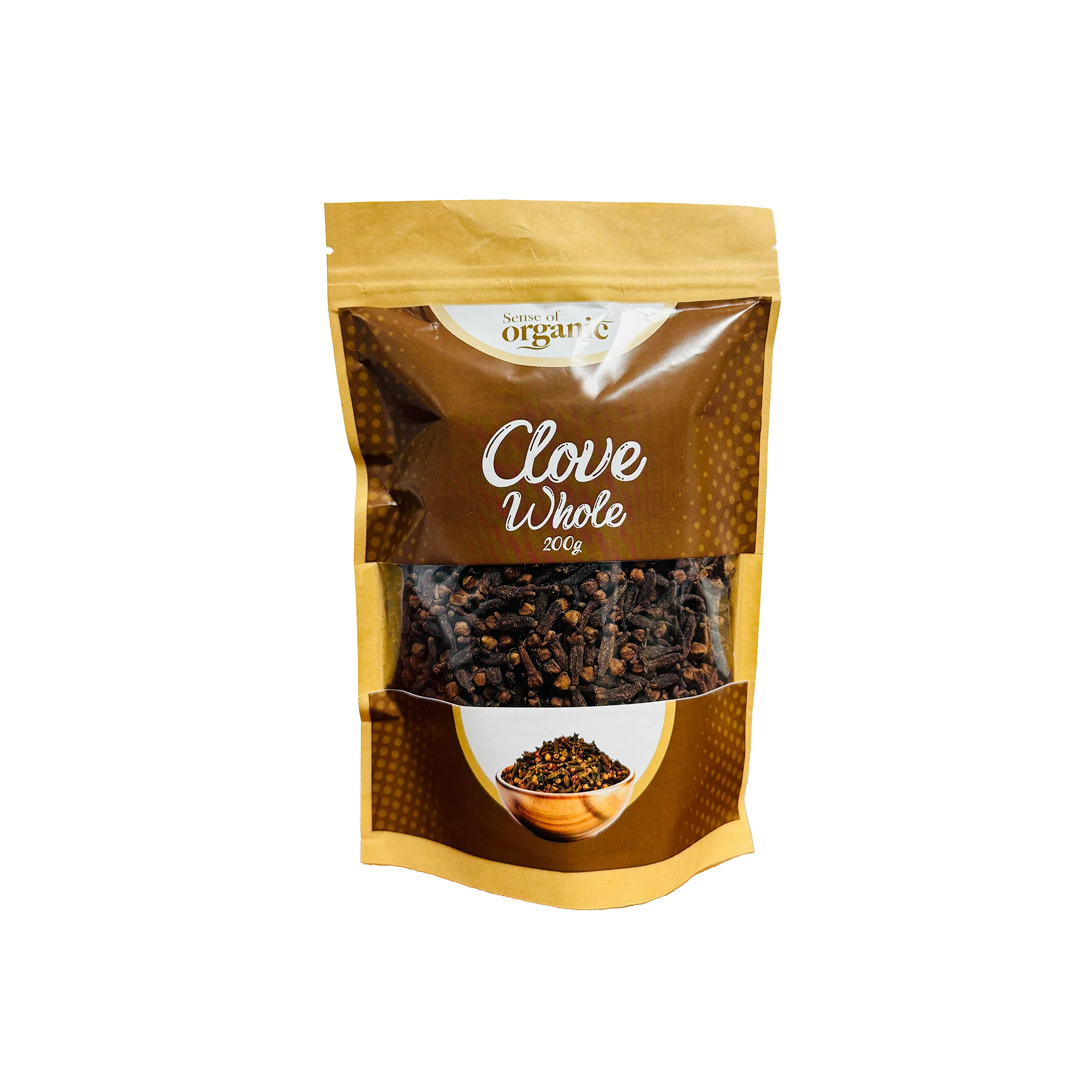
What is Ceylon Clove?
Ceylon Clove Whole is the dried flower bud of the clove tree (Syzygium aromaticum), cultivated primarily in Sri Lanka. These tiny, nail-shaped spices pack a serious punch—not just in the kitchen but in medicine cabinets too. Renowned for their high oil content and intense aroma, Ceylon cloves are among the finest in the world.
Botanical Origin and Classification
Belonging to the Myrtaceae family, cloves are native to the Maluku Islands in Indonesia but have thrived for centuries in Sri Lanka’s rich, tropical soil. Sri Lanka’s ideal growing conditions give its cloves a deeper color, richer aroma, and stronger flavor.
Historical Significance of Cloves
Role in Ancient Spice Trade
Cloves were once worth their weight in gold—literally. They were traded across Asia, Africa, and Europe, and became a highly sought-after commodity in ancient maritime trade. Sri Lanka played a major role in this aromatic economy.
Clove in Cultural and Religious Practices
In some Asian and Middle Eastern cultures, cloves are burned as incense, symbolizing purification and protection. In Indian weddings and festivals, they’re used in traditional garlands and ceremonial dishes.
The Journey from Bud to Spice
Where Ceylon Cloves Grow
Clove trees thrive in Sri Lanka’s central and coastal highlands, especially in regions like Matale and Kandy. The trees bloom during the rainy season, and the buds are carefully hand-picked before they open.
Harvesting Process
Harvesting is a delicate process. The flower buds are picked just before blooming, usually when they are pink and plump. Timing is crucial for optimal oil content and flavor.
Drying and Packaging
After harvesting, the buds are sun-dried on large mats. As they dry, they turn from pink to dark brown. Once dry, they\’re sorted, cleaned, and packaged—ready to be shipped worldwide.
Unique Characteristics of Ceylon Clove
Appearance and Aroma
Ceylon cloves are longer, darker, and heavier than average cloves. They have a strong, sweet-spicy aroma with a hint of bitterness that wakes up the senses.
Oil Content and Potency
One of the hallmarks of premium Ceylon cloves is their high eugenol oil content—up to 85%. This makes them more potent, flavorful, and beneficial for health compared to lower-grade varieties.
Comparison with Other Clove Varieties
Cloves from Indonesia or Madagascar tend to be lighter in color and less aromatic. Ceylon cloves, with their deeper flavor and higher oil content, are considered top-shelf by chefs and herbalists alike.
Health Benefits of Ceylon Clove Whole
Antimicrobial Properties
Cloves contain eugenol, which has strong antibacterial and antifungal properties. It’s often used to treat mouth infections, sore throats, and even as a natural preservative.
Pain Relief and Anti-Inflammation
Feeling a toothache coming on? Bite on a clove. Seriously! Clove oil numbs the nerves and reduces inflammation. It’s a natural anesthetic.
Digestive Aid
Clove promotes the secretion of digestive enzymes, easing bloating and indigestion. A few cloves in warm water can soothe an upset stomach quickly.
Rich in Antioxidants
Clove is one of the most antioxidant-rich spices on the planet. These compounds help your body fight oxidative stress and support cellular health.
Culinary Uses of Whole Cloves
Spicing Up Dishes
Clove is a kitchen all-star. Toss a couple into rice, biryani, or curry to infuse flavor. It adds warmth and depth to any savory meal.
In Beverages and Teas
Add whole cloves to chai, mulled wine, or even hot apple cider for that cozy, aromatic zing. Bonus: it also helps with sore throats.
Baking and Desserts
Think gingerbread cookies, spice cakes, or even poached pears—cloves add that signature holiday warmth and complexity to sweet treats.


Reviews
There are no reviews yet.